Basic Introduction
A gadget is a small tool such as a machine that has a particular function, but is often thought of as a novelty.Gadgets are sometimes referred to as gizmos.
If we think back, we can imagine a time before the book and, once books became inexpensive and widespread, how revolutionary and democratizing the book was as a tool for sharing information. It must have been incredible to think that you could have so much text in such a compact form, and so many of them!
The technological revolution that we are going through now will make that look like a blip in history.
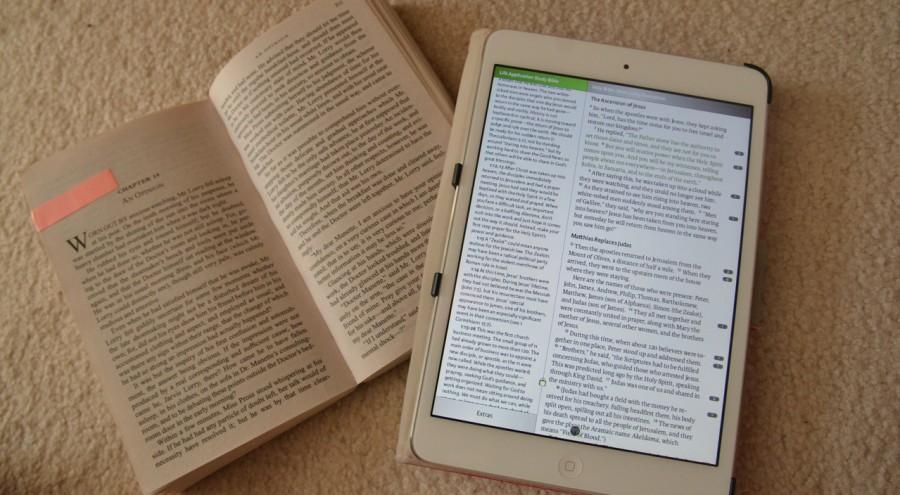
The last 10 years have seen more information created, shared, and collected than in the rest of human history combined. The digital revolution has been the enabler, beginning with the personal computer and continuing through to the creation of the internet and now the rise of the mobile device.
Personal electronics, or gadgets, are something that our patrons are using; but more important, they are a part of the future of information retrieval and sharing. They are becoming an increasingly important and even critical component of the way that information is generated and disseminated, and it’s important that librarians be aware of what gadgets are available, what they can do, what they cost, and how practical they are in different settings.
There are several general categories of gadget, including electronic book readers (e-book readers) like the Amazon Kindle and the Barnes and Noble Nook. We’ll also dive into personal multimedia players, media capture devices like the Flip video camera and the Zoom H2 audio recorder, as well as scanners and note-taking helpers. If you can consume or produce it, there is likely an electronic device that lets you do so more easily and cheaply than you thought possible.
 Gadgets & Gizmos